What a Demolition Job Looks Like, Start to Finish
Taking a structure down is only the middle of the job; the work before and after it is what leaves a lot ready to build on.
September 23, 2026 · 3 min read
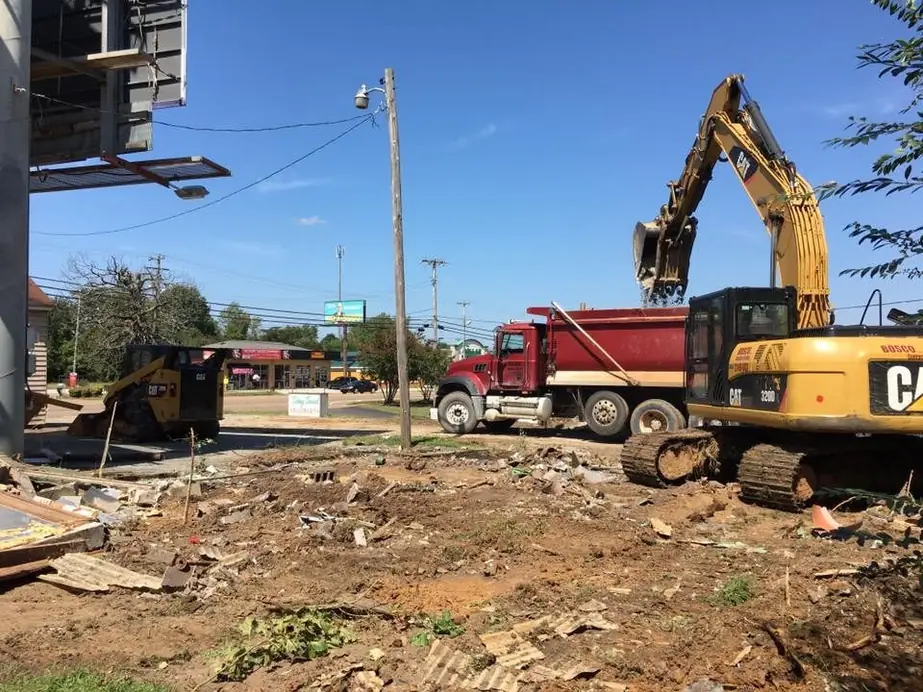
Demolition looks simple from the street: a building is there one week and gone the next. What actually happens in between is a sequence, and skipping a step or rushing it is how a job ends up costing more time than it saves. Here's a general look at how a demolition project comes together from start to finish.
Before Anything Comes Down
Before any equipment touches the structure, utilities need to be disconnected. Having power, gas and water service disconnected before work starts is standard practice on any demolition job, residential or commercial, and it's worth confirming with the property owner or utility provider ahead of time rather than assuming it's already been handled. Walking the site beforehand also flags anything unexpected, like debris already on the property, uneven ground, or access points that will matter once heavy equipment is on site.
That same walk-through is also where equipment access gets planned. A structure surrounded by fences, mature trees or a narrow driveway needs a different approach than one sitting on an open lot, and figuring that out before the excavator arrives keeps the first day of work from turning into a scramble to reposition equipment or clear a path that should have been handled ahead of time.
Taking the Structure Down
The actual demolition is where an excavator or a dozer does the visible work, breaking down framing, walls and roofing in a controlled sequence rather than all at once. Bulldozing comes in as the structure comes apart, pushing material into manageable piles instead of letting debris scatter across the lot. On a larger commercial building this stage takes longer and moves more deliberately; on a smaller residential structure it can move through in a single day.
Working in a controlled sequence rather than all at once is not about tidiness. It keeps the equipment operator working from a stable footing as the structure comes down, and it makes the debris that lands easier to sort and load rather than a single tangled pile of framing, roofing and interior finishes mixed together.
Moving the Material Off the Lot
As the structure comes down, debris needs a place to go, and that's usually a roll-off container or a dump truck staged right on site so material doesn't sit in piles longer than it has to. Keeping the haul-off moving alongside the demolition itself, instead of demolishing everything first and hauling second, keeps the site from turning into an obstacle course for the equipment that's still working.
How many loads a job takes and how often trucks run depends on the size of the structure and what it was built from, but the principle holds on every job: a demolition site works best when it never has to stop moving equipment because there's nowhere left to put the debris that just came down.
Screening the Site as It Clears
On-site material screening separates out what can be reused or recycled, like clean concrete or metal, from general debris that needs to be hauled off entirely. Screening as the site clears, rather than after everything's already been hauled away, is more efficient and cuts down on how much ends up leaving the property in the first place.
This step tends to happen in stages as the demolition progresses rather than as one pass at the very end. Material comes down in phases, so sorting it in phases keeps the piles manageable and keeps the equipment operating in a cleared, organized space instead of working around a growing stockpile of mixed debris.
Leaving a Lot That's Actually Buildable
The last stage of a demolition job is the one that matters most if there's a new structure planned for the same spot: grading the lot so it's level, cleared of debris and ready for the next phase of construction. A demolition job that stops the moment the old structure is gone, without cleanup and grading behind it, leaves the property owner with more work than they started with. Finishing the job means the lot is actually ready to build on, not just empty.
Bosco Contractors Services handles residential and commercial demolition, cleanup and site grading across Jackson, Gibson, Carroll, Madison and Henderson Counties. Visit the Demolition Services page to see the full scope of what's included, or call 731-697-8333 to talk through your project.
Bosco Contractors Services, 731-697-8333
Call 731-697-8333More articles
Picking the Right Roll-Off Size for Your Next Jackson, TN Project
The right container size comes down to what's coming out of the building, not how big the driveway looks.
Getting Your Driveway or Lot Ready for a Roll-Off Drop
A container that's set down right the first time is easier to load, easier to fill safely and easier to pick back up.